
Blog
Building Effective Funnels to Maximize Conversions
Building Effective Funnels to Maximize Conversions
The word 'funnel' gets thrown around constantly in digital marketing circles. Most business owners have heard it. Many have even tried to build one. But the majority of funnels in the wild are missing something fundamental: they're designed to collect, not to convert.
A funnel that collects leads is just an expensive email list builder. A funnel that converts leads into booked calls and paying clients — that's a revenue asset.
Here's the difference, and how to build the kind that actually works.
What a Marketing Funnel Actually Is
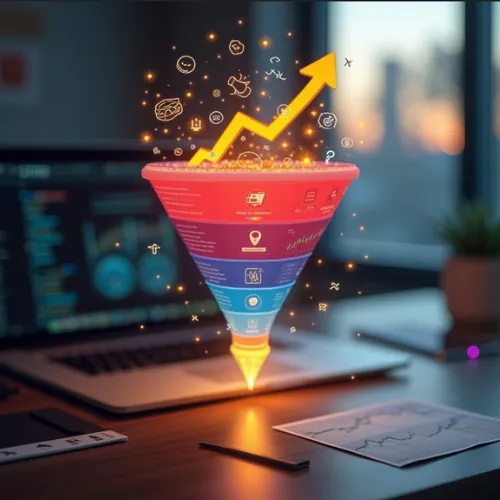
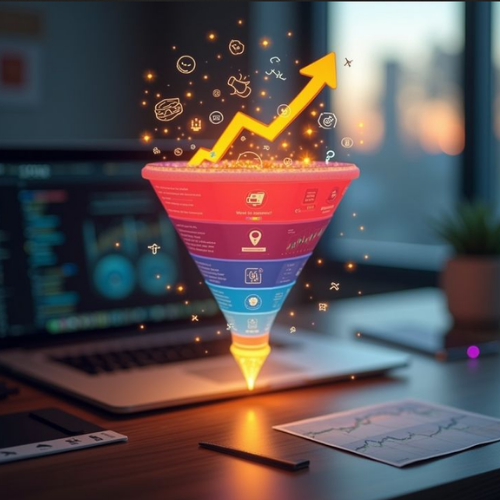
A funnel is the complete journey a prospect takes from the first time they encounter your brand to the moment they become a paying client. Every step in that journey — the ad, the landing page, the form, the confirmation email, the follow-up SMS, the sales call — is a stage in the funnel.
The 'funnel' shape exists because not everyone who enters at the top makes it to the bottom. Awareness is wide. Conversion is narrow. Your job is to design each stage so that the right people — your ideal clients — move forward, and the wrong ones self-select out.
The Three Stages Every Effective Funnel Must Have
Stage 1 — Awareness (Top of Funnel)
This is where your prospect first discovers you exist. It might be through a Facebook or Instagram ad, an organic post, a Google search result, or a referral. The awareness stage has one job: get the right person to take the next step.
The most common mistake at this stage is trying to sell too early. Cold audiences don't buy — they evaluate. Your awareness content should educate, challenge a common belief, or create enough curiosity that the prospect wants to know more.
Stage 2 — Consideration (Middle of Funnel)
Once a prospect has engaged with your awareness content, they enter consideration. They're researching. They're comparing options. They might visit your website, scroll your Instagram, watch your videos, or read your blog.
The middle of the funnel is where trust is built or lost. This is where your social proof, case studies, authority content, and retargeting ads do their work. A business with a strong middle funnel converts a higher percentage of its awareness traffic into leads — without necessarily spending more on ads.
Stage 3 — Conversion (Bottom of Funnel)
The conversion stage is the point where your prospect takes the action that makes them a lead: filling out a form, booking a call, or making a purchase. Everything in your funnel has been building to this moment.
The most critical elements at this stage are: a clear, compelling offer; a friction-free form; and a fast, personalized follow-up. Most funnels lose prospects between the form submission and the first contact. The faster and more personal that contact is, the higher your lead-to-client conversion rate.
The Anatomy of a High-Converting Funnel Page
Your funnel landing page is not your homepage. It's a standalone page with one purpose: get the visitor to take one specific action. Here's what every high-converting funnel page must have:

Your Health Journey Begins Here – Take the First Step!

We’re dedicated to providing personalized healthcare at home, ensuring your well-being with compassionate, expert care every step of the way.
Quick Links
Resources
Connect With Us
© FullBlast VA Services. 2026. All Rights Reserved.